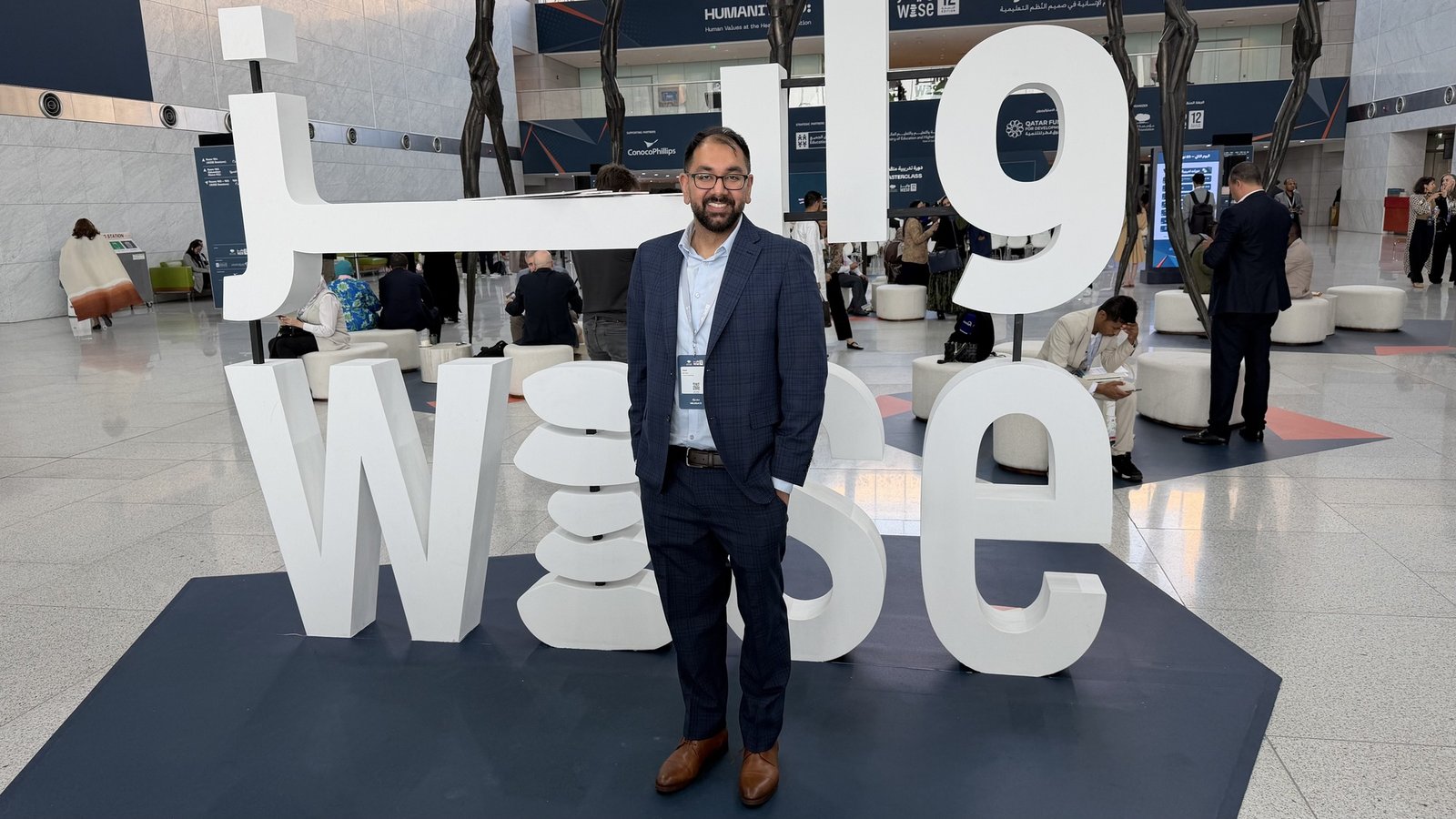
Someone asks what I do. We're at a barbecue, or standing in line for coffee. They're being polite, and I have about ten seconds before their attention moves on.
So I say I'm a consultant. If they look interested, I add that I help organizations turn ideas into something real. It's clean. It fits on a business card. People nod, and we move on to something easier.
It's true, as far as it goes.
I do help organizations turn ideas into something they can run, and I'm glad to do that kind of work. But most of what I do sits a layer underneath it, in places people don't usually picture when they hear "consultant." I work with foundations, state agencies, and counties. The work happens inside public systems, the ones meant to protect kids, house families, keep people healthy. When one of those systems makes a decision, it lands on someone who had no say in it. A lot of my job is changing that.
An honest description of what I do would use words like program assessment, co-design, and capacity building. Every one of those is accurate. Almost none of them mean much to a person standing outside the field. They're the kind of words that make sense to the four people in the room who already do this work and glaze over everyone else. I've watched it happen in real time. Say "co-design" at a conversation over dinner and you can see the interlocutor starts looking for an exit.
So I keep the short version handy. It's a fair door to walk through. It just leaves out the room on the other side, and the room is the part that matters most.
Are you still thinking about what exactly I do? Here is what the work actually looks like. We ran a three-month sprint in each of four California counties, sitting with the people actually touched by a kinship system: youth, birth parents, the grandparents and aunts and uncles who step in to raise a child, the frontline staff, the judges. More than 200 of them. Not a quick survey, but real conversations with people who had already lived through what the system was trying to fix. What they told us gave county leaders something concrete to act on: clear results, and the kind of real information that allows you to make decisions and start improving the system itself, instead of waiting years for a study to tell you what the people inside it already know.
Another project worked with 80 parents and caregivers to design more flexible ways for families to get financial support before they reached the point of entering the system.
By "the system" I mean child welfare. It is the chain that starts with a call to child protective services and can end with a child removed from their parents.
Most families pulled into it are not abusive. In federal fiscal year 2024, 74 percent of substantiated child welfare cases were categorized as neglect, not abuse. The Bipartisan Policy Center's 2025 synthesis on poverty and child neglect found the two are inextricably linked. Most often, the families pulled in are families who could not pay rent.
We were upfront with everyone about what the project was and why we wanted them in it, we paid honorariums for their time, and we asked for their honest experience of how the system actually works. Then we designed with them, not just for them. I won't pretend everyone is sold on that approach, and it does ask more of everyone involved. But the results are better when the people who live inside a system help shape it, because they are the ones who own it and the ones who will feel where it falls short.
That's the part the easy answer skips. "I help build companies" keeps me safely on the side of the org chart. But the people I learn the most from aren't on anyone's org chart. They are the parent who navigated a system that wasn't built with them in mind and can tell you, in detail, where it gets stuck. Treating what that parent knows as expertise and their experience as expertise, instead of a sad story, is the actual job. Reduce all of that to "business consultant," and you lose the reason that makes the work matter: the change that actually sticks in these systems starts with the people living inside them.
I used to think the explaining problem was mine to solve. Better words, a tighter pitch, an elevator speech that finally landed. I've mostly let that go. Some work is hard to explain because the category doesn't exist yet, and the reason it doesn't exist is that the category is exactly what you are trying to change.
So I'll probably keep saying "consultant" at the barbecue. Ten seconds is ten seconds. But if you ask me a second question, here's the real answer: I help systems do something they turn out to be surprisingly bad at, which is listening to the people they exist to serve and support, and then taking what those people say seriously enough to build around it.
That answer takes a lot longer than ten seconds. If you've got the time, I'd much rather give you that one.